The archive
Pharmakon
Greek — remedy and poison in one vessel
The standing archive. Contemporary and traditional cultural complex and entheobotanical plant indexes.
26 species · 15 cultural complexes
Enter the index ›Cultural complexes
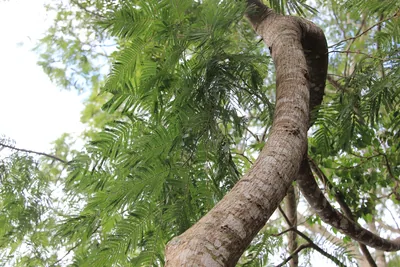
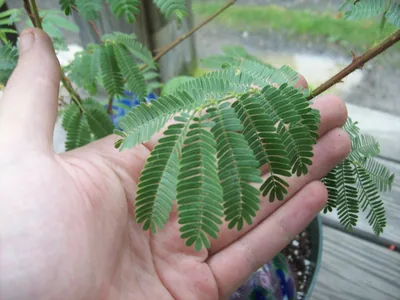 Pangaean Entheobotanical Renewal : Ayahuasca AnaloguesAnahuasca · Pharmahuasca
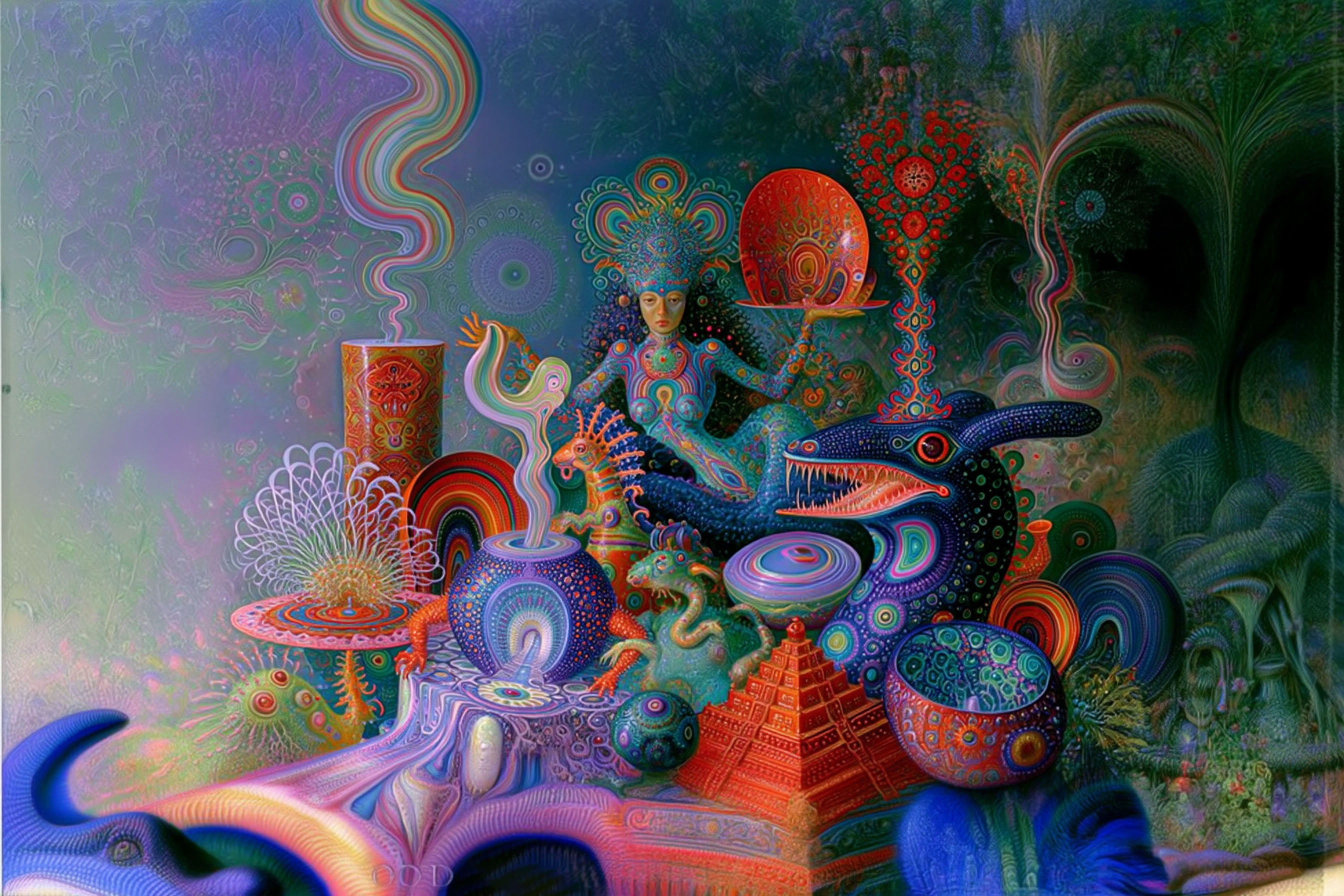 Psychonautic DMT: Extended Modalities & Hyperspatial Entity/Realm ResearchDMT · N,N-DMT
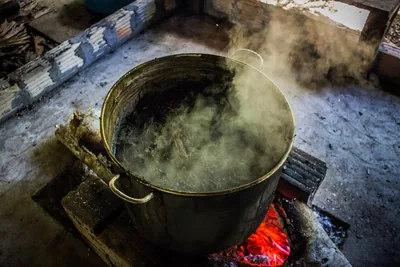 Ayahuasca ComplexAyawaska · Yagé / Yajé
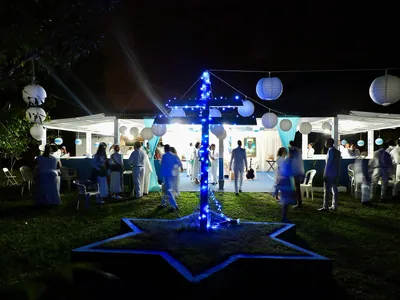 Brazilian Ayahuasca–Jurema Syncretic Religions ComplexSanto Daime · União do Vegetal
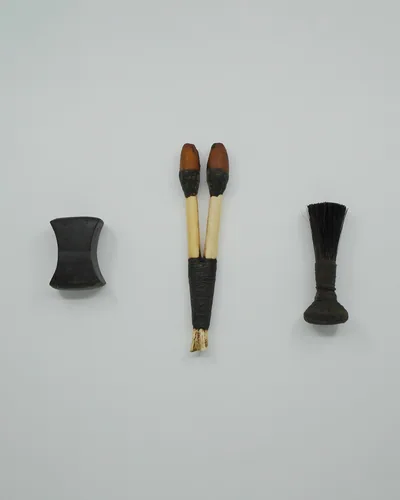 Circum-Amazonian Snuff ComplexYopo · Vilca
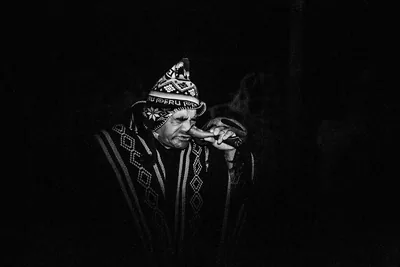 Andean Huachuma–Mesa ComplexHuachuma · San Pedro
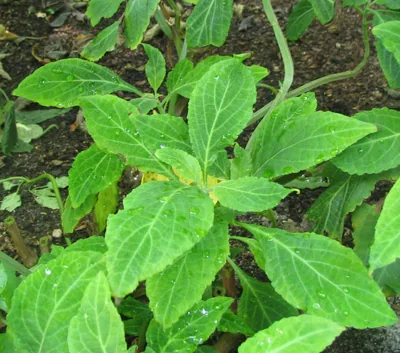 Mazatec Divinatory Medicine ComplexNdi xi tjo · niños santos
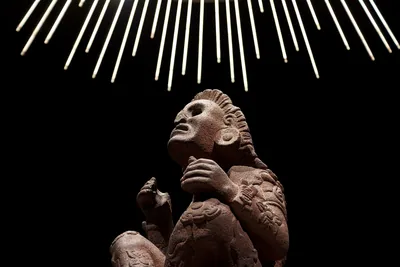 Teonanácatl: Mesoamerican Mushroom TraditionsTeonanácatl · ‘flesh of the gods’
and 7 more
Species
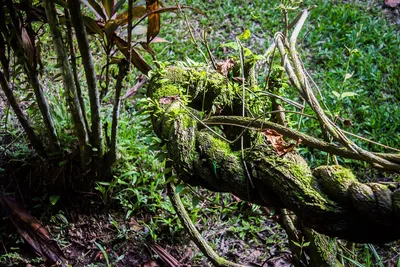 Banisteriopsis caapiAyahuasca vine · Yagé
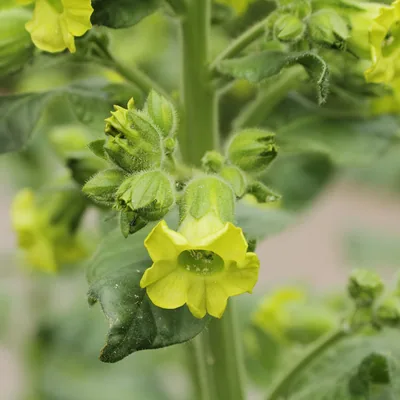 Nicotiana rusticaMapacho · Strong tobacco
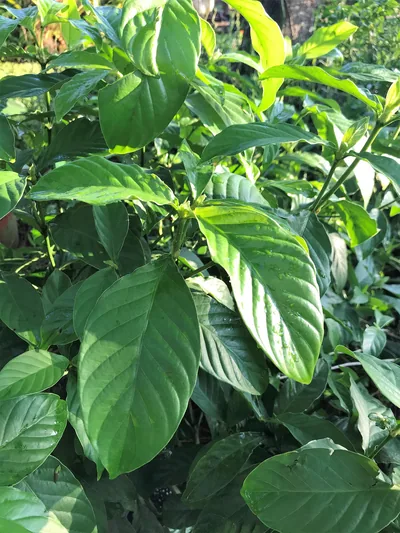 Psychotria viridisChacruna · Chacrona
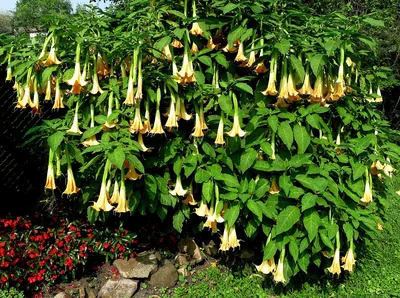 Brugmansia suaveolensAngel’s trumpet · Toé
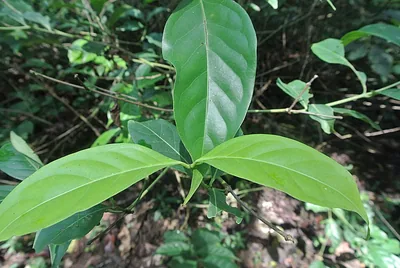 Diplopterys cabreranaChaliponga · Chagropanga
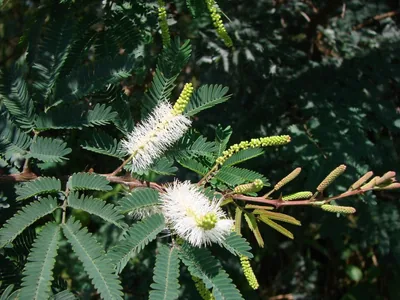 Mimosa tenuifloraJurema · Jurema-preta
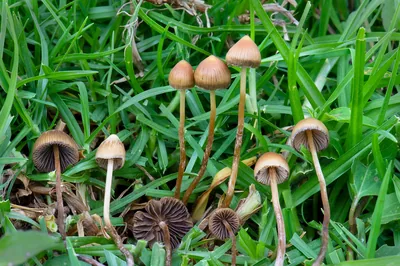 PsilocybeTeonanácatl · Pajarito
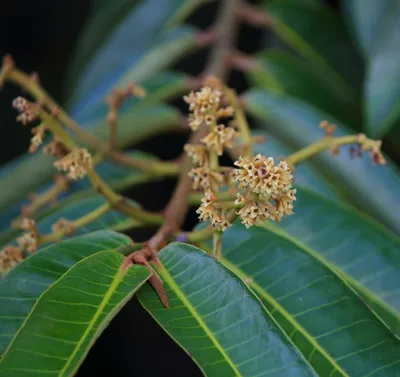 Virola theiodoraEpéna · Nyakwána
and 18 more
The edition
Entheocene Dossier
Bi-monthly — a themed issue, read whole
A periodic edition: original essays, interviews, primary texts and creative arts. Submissions for Dossier 1 and 2 are open.
Open the dossier ›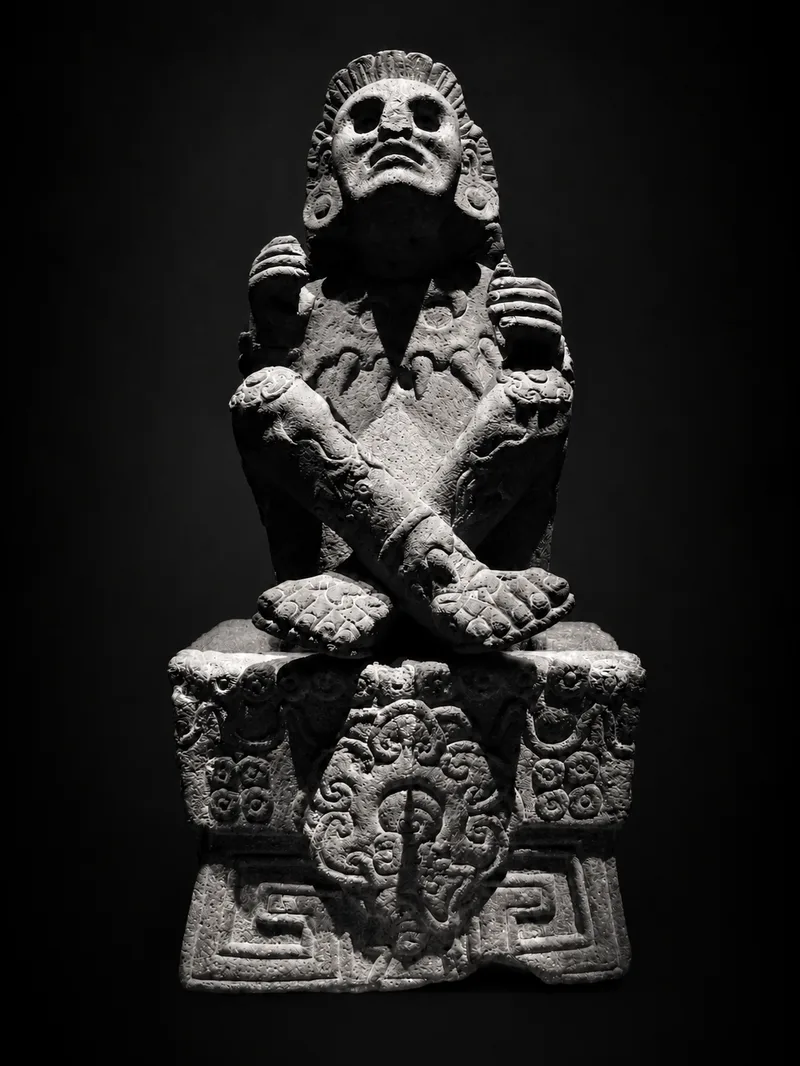 1 · Dec 2026Entheogenic ShamanismShamanism & Ontology
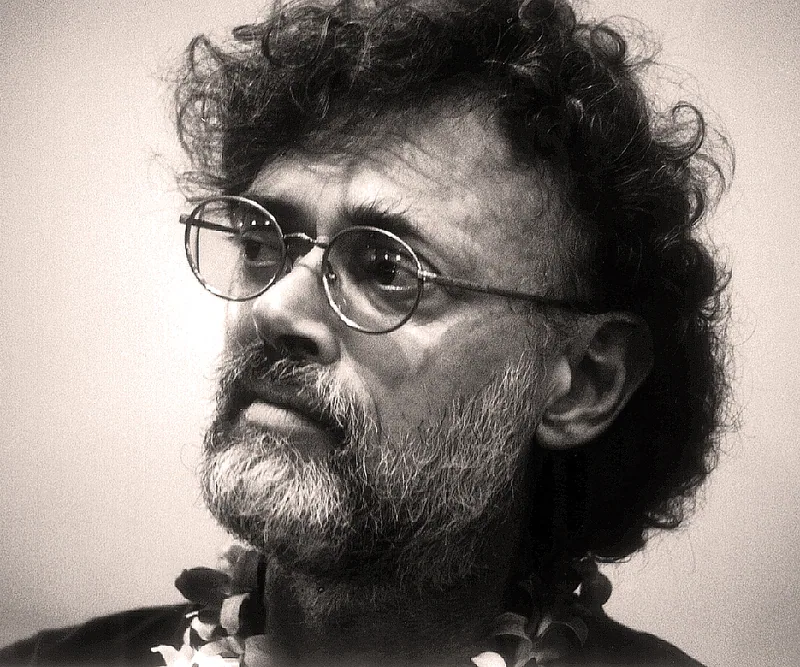 2 · Feb 2027Archaic Revival & CybercultureThe Machine and the Old Technologies
Cover 2: Terence McKenna, AllChemical Arts Conference, 1999 · Jon Hanna · CC BY-SA 3.0
About the name
Entheocene
noun [en-thee-uh-seen] / ɛnˈθi əˌsiːn /
Etymology
ENTHEO-
from entheogen
From entheogen and the Greek éntheos (ἔνθεος): inspired, or containing the divine; en-, “within”, and theos, “god”. Entheogen denotes substances used to occasion sacred or spiritual experience.
-CENE
from epoch
From the Greek kainos (καινός), “new” or “recent”: the suffix used in geological epoch names. Here it gives a cultural and ecological proposition a speculative deep-time horizon.
Poetic reading: “the era of the divine within” — an age of spiritual and ecological inspiration.
An era of manifesting the sacred
The Entheocene is a proposed cultural epoch and philosophical framework in which entheogenic and liminal states advance human learning, creativity and cultural transformation.
The entheocene explores deep-time relationships between human consciousness and sacred plants, a learning approach connecting entheogenic states with sustained inquiry, integration and the development of shared knowledge. It approaches surviving Indigenous traditions with respect and as sources of vital learning. This ancestral grounding remains open to humanity’s ecological, technological and cosmological futures. The Entheocene articulates a creative and transpersonal imperative: a transition from extractive destruction towards reciprocal participation in the living cosmos—“the imagination of nature”.