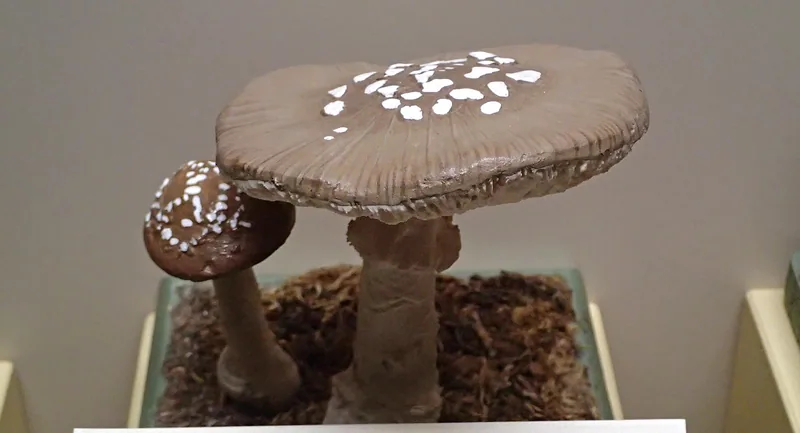
Mirante, D. (ed.) (2026) Fly Agaric–Circumboreal Complex. Entheocene, version 1.0. Available at: https://entheocene.com/complex-fly-agaric-circumboreal.html (Accessed: 17 October 2026).
DOI: not yet minted.
Introduction
Fly agaric is best understood as a mobile circumboreal assemblage whose strongest ethnographic centre lies in Siberia and the Russian Far East. There Amanita muscaria could serve, in different communities and periods, as divinatory agent, medicine, stimulant, social intoxicant and shamanic vehicle; its effects circulated through dried fruitbodies, trade, observation of reindeer and the documented reuse of human urine. Around that record has accumulated another history of hypotheses—Vedic Soma, Sámi magic, Norse berserkers, Christmas and medieval Christian imagery—whose evidence ranges from serious comparison to modern folklore. The mushroom’s contemporary life is different again: a global fairy-tale pictogram, a forest symbiont turned southern-hemisphere invader, a source of GABAergic research compounds and a poorly standardised commercial intoxicant. This dossier keeps those layers in relation without assigning them equal evidential weight (Jochelson, 1908; Saar, 1991a; Michelot and Melendez-Howell, 2003; Winkelman, 2022).
The operative “complex” is ecological and social. It joins a mycorrhizal fungus to trees, seasonal travel, animal observation, trade, specialist knowledge and social circulation.
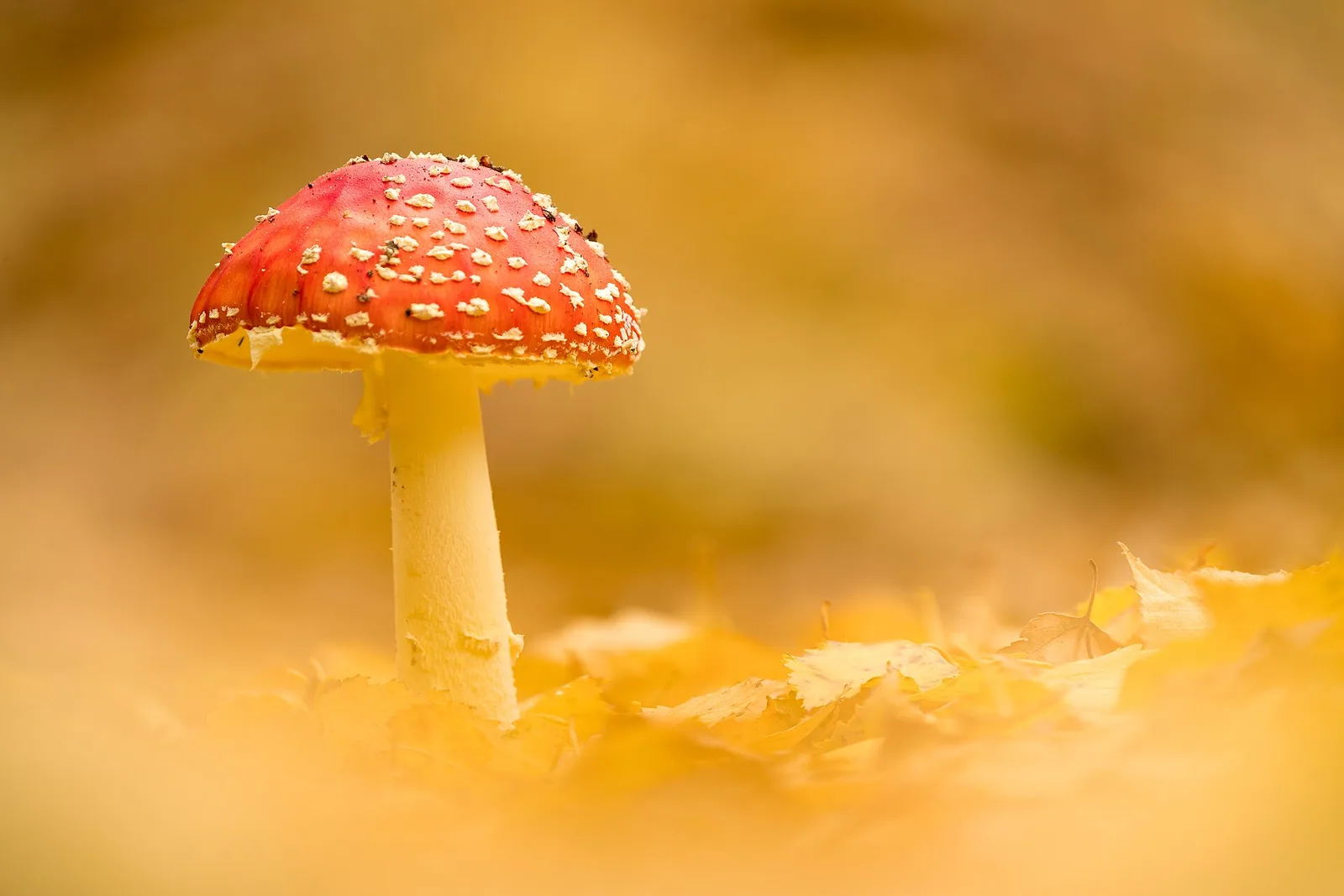
A large ectomycorrhizal agaric native across boreal and temperate regions of the Northern Hemisphere and carried with forestry into parts of the Southern Hemisphere. The familiar red cap with pale veil remnants is only one phenotype: orange, yellow and pale forms occur, and molecular work has resolved strong intercontinental structure and cryptic lineages. “A. muscaria” on a global ethnomycological page is therefore a practical species-complex label covering genetically distinct populations (Geml et al., 2006; Geml et al., 2008).
Accepted name
Amanita muscaria (L.) Lam.; global circumscription under active revision
Family / order
Amanitaceae · Agaricales · Basidiomycota
Morphology
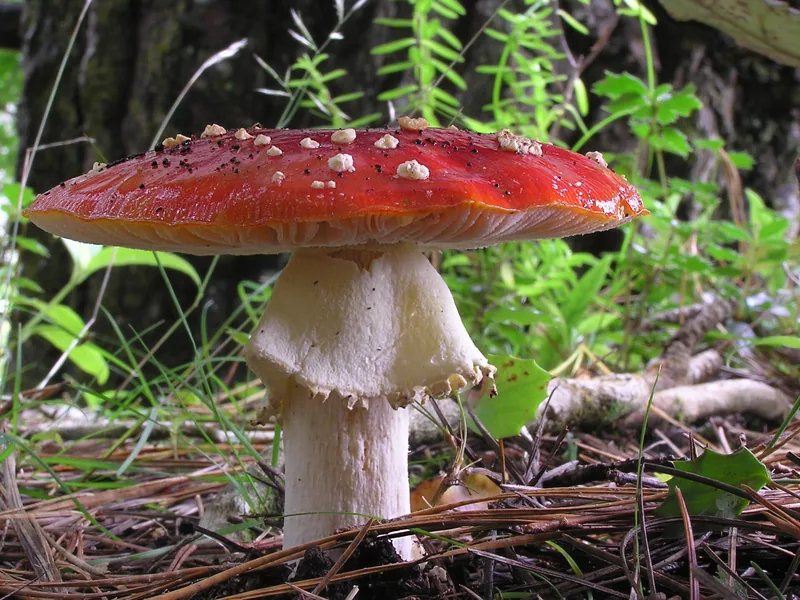
Veil-covered “egg”; usually red–orange pileus with pale warts; white free gills and spore print; skirt-like annulus; bulbous base with volval rings
Ecology
Ectomycorrhizal with birch, pine, spruce, fir and other trees; fruits seasonally from soil
Principal actives
Ibotenic acid and muscimol; muscazone minor; muscarine usually only trace
Forest edge · tundra trade · reindeer · vessels · household and specialist use
Fruitbodies occur unevenly across tundra and forest. Historical accounts describe exchange from mushroom-rich districts into regions where they were scarce, giving dried specimens commodity value. Reindeer independently seek the fungus and can become visibly intoxicated. Humans’ reuse of the urine of an intoxicated person is well documented; the now-popular image of a shaman routinely drinking reindeer urine has a much thinner primary record (Jochelson, 1908; Saar, 1991a; Lee, Dukan and Milne, 2018).
Eastern centre
Kamchatka, Chukotka and adjoining north-eastern Siberia
Western / northern
Khanty, Mansi and selected Nenets and Yukaghir records; isolated reports elsewhere
Animal relation
Reindeer consumption and intoxication are observed facts; human ritual meanings vary
Social circulation
Gift, trade, household hospitality, specialist use and documented human-urine recycling
Contains the same principal isoxazoles and can produce a similar, often severe “pantherine” syndrome. It belongs in toxicological comparison; its place in the Siberian ritual archive is unestablished (Vendramin and Brvar, 2014).
Birch and conifer hosts
Betula · Pinus · Picea · Abies
The visible mushroom is a seasonal fruitbody of an underground fungal partnership. Host-tree distributions shape availability, trade and modern biological invasion.
Reindeer
Rangifer tarandus
Reindeer seek fly agaric and show altered behaviour after eating it. Ethnographic observation of this relation is secure; modern Christmas genealogies built from it are speculative.
Human urine
Re-ingestion · sharing · status and scarcity
Muscimol is excreted substantially unmetabolised. Historical reports describe urine being collected or sought after ingestion, sometimes allowing several passages of intoxication (Michelot and Melendez-Howell, 2003).
Drum, song and movement
Trance without a single necessary drug
Siberian shamans also worked through drumming, dancing, costume, vocal performance and spirit relations. Fly agaric was one technique among others.
Fly-killing preparations
Milk or liquid lure · European vernacular history
The English name and Latin epithet relate to the fungus’s use against flies. This domestic history helped make the species familiar outside intoxication contexts (Carboué and Lopez, 2021).
Safety and scope: this page records drying, liquid preparation and urine reuse because they are ethnographically significant, but gives no quantities, temperatures or processing recipe. Wild specimens vary sharply in isoxazole content; severe delirium, seizures, coma and rare fatalities are documented. Internet “detoxification” claims cannot turn variable wild material into a predictably safe product (FDA, 2024; Stoeva-Grigorova et al., 2025).
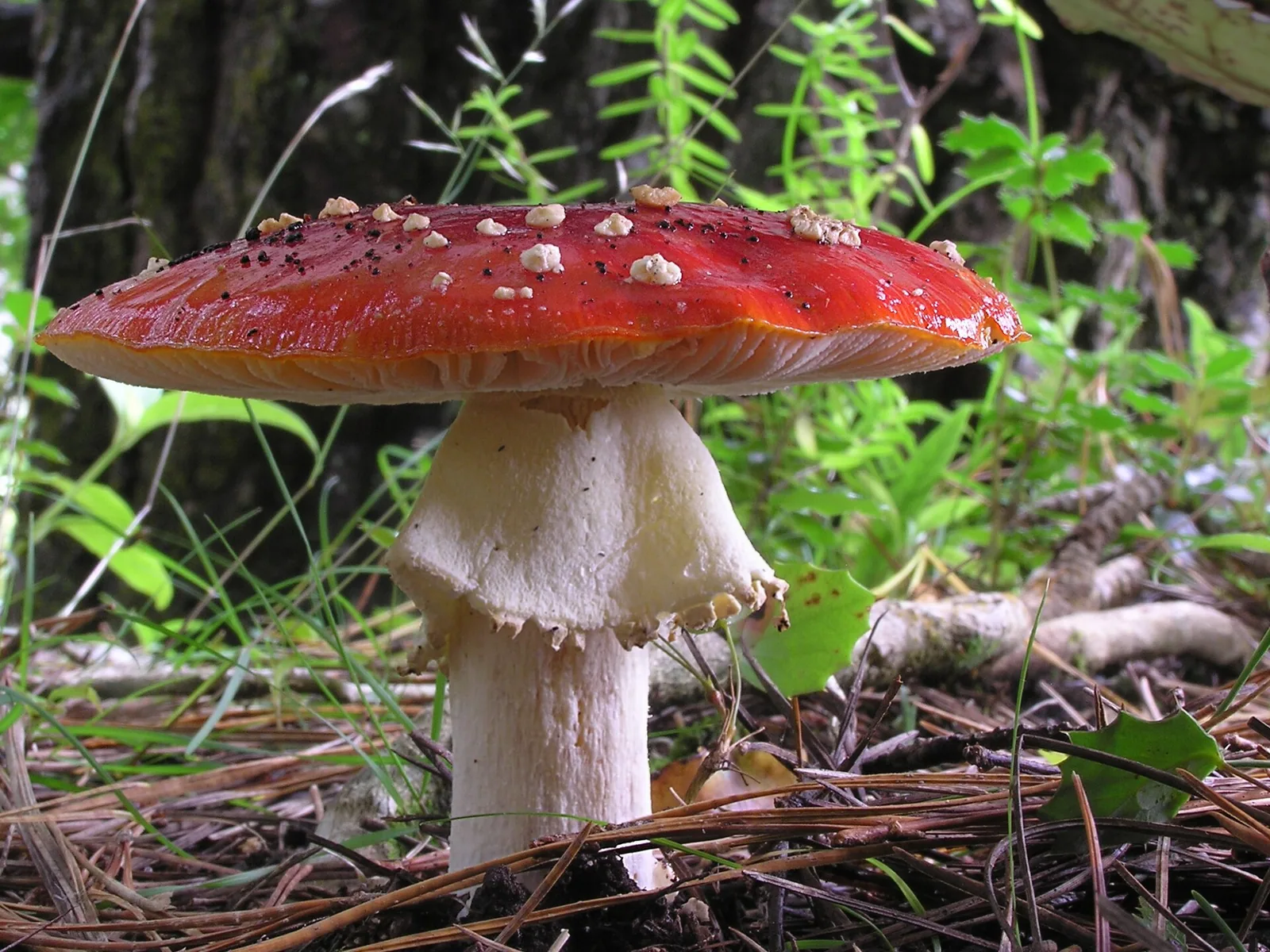
Plate 01 · Amanita muscaria (L.) Lam. sensu lato · deep view
A. muscaria under introduced Pinus radiata, Wellington. Tony Wills, 2009 · CC BY-SA 3.0 ↗
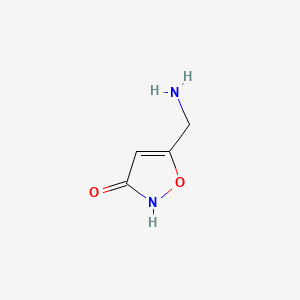
Potent orthosteric agonist at GABAA receptors; crosses the blood–brain barrier and is eliminated largely unchanged in urine.
CNS depression, dreamlike imagery, altered scale and space, ataxia, myoclonus, agitation alternating with sleep and, at high exposure, seizures or coma.
It is pharmacologically unlike serotonergic psychedelics such as psilocin, DMT or mescaline.
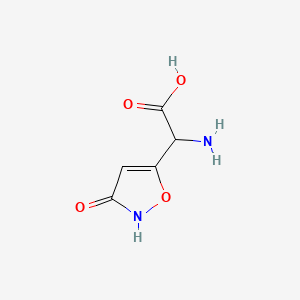
Ibotenic acid
Isoxazole amino acid and glutamate-receptor agonist, especially at NMDA sites; partly decarboxylates to muscimol.
Contributes excitatory and toxic effects. Concentrations vary among specimens, tissues, seasons and processing states.
A dried cap, extract or gummy gives no reliable sign of its potency, whatever its appearance or label.
Muscazone
Minor isoxazole derivative formed in or from fungal chemistry.
Less well characterised than ibotenic acid and muscimol, and unestablished as the principal intoxicant.
Present in small amounts; a clinically defined “entourage” mechanism is unshown.
Traditional preparation: evidence without a recipe
FRUITBODY
Historical sources describe mushrooms dried in sun or near heat, stored, chewed or swallowed, and sometimes steeped in liquid. Preparation varied by people, household and occasion. Drying alters the ibotenic-acid/muscimol balance, and the result still varies widely (Saar, 1991a; Feeney, 2010).
HUMAN URINE
North-eastern accounts record drinking the urine of someone who had consumed the fungus. Pharmacokinetically this is plausible because active muscimol passes into urine; socially it could redistribute a scarce commodity and distinguish those purchasing fruitbodies from those receiving a later passage (Jochelson, 1908; Michelot and Melendez-Howell, 2003).
FERMENTED / MIXED LIQUIDS
Several travel and ethnographic records mention liquids, including mixtures with berry juice or later alcohol. The archive is uneven and often colonial; each reported form belongs to its own people and occasion.
REINDEER URINE AS HUMAN SACRAMENT
Reindeer eating the fungus is well observed, but the viral claim that Sámi or Siberian shamans characteristically fed reindeer and drank their urine lacks a comparably secure chain of primary documentation. Human urine recycling is the stronger historical claim.
02Culture
Peoples and territories
Kamchatka and adjacent Okhotsk territories
Koryak · Itelmen / historical “Kamchadal” records
The Koryak archive is central because Jochelson recorded household, ritual and mythic dimensions together: scarcity and exchange, intoxication, spirit-persons and the Big Raven narrative. Itelmen districts could also supply mushrooms into trade (Jochelson, 1908; Saar, 1991a).
Chukotka
Chukchi · coastal and reindeer-herding lifeways
Bogoras documented fly-agaric intoxication among Chukchi interlocutors within a wider account of spirit relations, shamanic practice and social life. Use extended beyond any one formal priesthood and differed from settlement to settlement (Bogoras, 1904–1909).
Western Siberian forest and river worlds
Khanty and Mansi; selected Nenets reports
Sources describe more specialist and divinatory uses among Uralic-speaking peoples, including diagnosis, foreknowledge and performance. The contrast with north-eastern household use is useful but schematic, because the record spans different dates and observers (Saar, 1991a; Saar, 1991b).
North-eastern and central Siberian margins
Yukaghir · Even / Evenki and other isolated reports
The evidence thins outside the best-documented centres. A mention of use by an individual or neighbouring group is weak evidence for a uniform ethnic tradition. Trade and cultural contact are often more plausible than bounded “tribal drug cults”.
Three internal formations
Koryak–Chukchi–Itelmen uses
Divination · social intoxication · work · story · healing
Shamans and non-specialists both appear in the archive; contexts include ceremonial work, hospitality, entertainment, divination and practical labour.
Mushroom-persons could be experienced as directing the intoxicated person’s actions, showing routes, answering questions or imposing repetitive conduct.
Dried mushrooms moved by exchange into districts with limited forest habitat, giving access an economic and seasonal structure.
Colonial observers sometimes translated unfamiliar practice as drunkenness or superstition; the same reports nevertheless preserve indispensable details.
Khanty–Mansi and related records
Specialist trance · diagnosis · epic and spirit communication
Western Siberian reports more often restrict or associate use with ritual specialists, although drumming and dream were equally important trance technologies.
Recorded aims include learning the cause of illness, finding missing persons or animals, predicting events and obtaining spirit instruction.
Khanty medicine also used fungi in non-intoxicating forms; fly agaric is one part of a larger pharmacopoeia.
Ethnonyms such as “Ostyak” and “Vogul” in older sources are historical exonyms; Khanty and Mansi are the names in use today.
Forest ecology determines where mushrooms fruit; tundra scarcity could turn them into high-value objects of exchange.
Urine reuse makes intoxication a social circulation: the body becomes a metabolic passage through which active substance remains available.
Reindeer’s attraction to the fungus offered an observable non-human model of altered behaviour and linked mycology to pastoral and hunting knowledge.
Modern retellings often collapse these three relations into a single Christmas tableau; the archive keeps them distinct.
History and evidence
Ritual practice
Acquire and preserve
Seasonal fruitbodies were gathered or received by exchange, then dried and stored. Geography and household wealth affected access.
Frame the question
Use might be directed toward illness, lost animals, travel, future events, spirit contact, work or collective amusement, each with its own form.
Receive the mushroom-persons
Accounts describe agents appearing in forms related to the mushrooms and compelling speech, movement, repetition or journeys.
Perform and interpret
Singing, dancing, mimicry, somnolence and sudden exertion become socially observed events whose significance depends on the occasion.
Circulate
In documented north-eastern contexts, urine could transmit active muscimol to another person and extend a scarce intoxicant’s social life.
Return and verify
A divination was evaluated by whether animals were found, an illness changed, a route proved true or a narrative became collectively persuasive.
Mythology and cosmology
Big Raven and the whale. In Jochelson’s Koryak record, Big Raven cannot return a stranded whale to the sea. Vahiyinin (“Existence”) causes the wapaq to appear; after eating them, Raven gains strength and the mushrooms show him how the whale will return. The story makes fly agaric simultaneously a spirit-being, helper and source of disclosed action (Jochelson, 1908).
Mushroom-persons. In Koryak and Chukchi descriptions, the wapaq or fly-agaric beings can speak, command, lead and multiply according to the mushrooms taken. “Hallucination” names a perceptual event; this is an indigenous theory of agency.
Vertical travel and altered strength. Some accounts connect intoxication with ascent, descent, animal transformation, unusual endurance or the loosening of ordinary bodily scale. These motifs belong to wider Siberian shamanic cosmologies as well as to the mushroom’s pharmacology, and take their local form from both.
Reindeer knowledge. Reindeer’s appetite for the fungus places human intoxication inside observed animal behaviour, hunting and pastoral worlds. Different communities could treat that fact practically, comically or cosmologically.
Shamanism and healing
“Shamanism” is a comparative category built partly from Tungusic language and the history of Russian ethnography. In the fly-agaric archive it covers distinct offices: diagnosing a patient, recovering a lost soul, negotiating with spirit agents, foretelling a hunt, leading song or demonstrating power. In western Siberia mushroom use is more often described as specialist; in north-eastern sources non-specialists also consume it. The fungus therefore marked neither who was a shaman nor every shamanic performance (Bogoras, 1904–1909; Jochelson, 1908; Saar, 1991a).
Healing could involve ingesting fly agaric for diagnostic knowledge, applying it in folk remedies, or treating the intoxicant itself as a dangerous power requiring expertise. Modern biomedical claims for anxiety, sleep, pain or addiction are a separate, modern question from the meaning of traditional use. Equally, historical medicinal use is no evidence of efficacy for retail extracts (Hartwig et al., 2025; Ordak, 2026).
Art and material culture
Archaeological interpretation
Pegtymel “mushroom people”. Petroglyphs show anthropomorphs with large mushroom-shaped headgear among maritime and reindeer scenes. Fly-agaric interpretation is plausible and influential; species and rite both remain unidentified (Dikov, 1971; Devlet, 2001).
Ethnographic object
Urine vessels and bodily circulation. Jochelson illustrated skin containers associated with collecting urine. Such objects make an otherwise sensationalised practice material and economic: intoxication moved through vessels, households and ranked access.
Global pictogram
Fairies, games and children’s books. By the nineteenth and twentieth centuries the red cap with white spots had become Europe’s generic magical mushroom—an image now reproduced in postcards, garden ornaments, animation and game design, often without any Siberian reference (Samorini, 2022).
Hypothesis register
Proposal
Argument
Evidence assessment
Vedic Soma
Wasson compared Soma’s brilliance, mountain origin, lack of roots/leaves and filtered or urinary imagery with fly agaric and Siberian reuse.
Influential, unresolved A serious comparative hypothesis, challenged philologically and botanically; the Rigveda’s naming of A. muscaria is insecure (Wasson, 1968; Brough, 1971; Feeney, 2010).
Sámi sacrament
Scattered reports and later comparisons link Sámi noaidi practice, reindeer and fly agaric.
Limited reports The evidence points to local reports, with no uniform Sámi mushroom cult, and reindeer-urine claims are especially weak. It is presented here as local or disputed testimony.
Norse berserkers
Since Samuel Ödmann (1784), fly agaric has been proposed as the cause of berserkergang.
Abductive No Norse text or residue identifies it; symptom matching is poor and henbane has been argued as a better, still speculative candidate (Fatur, 2019).
Christmas / Santa
Red-and-white costume, reindeer, gifts, winter trees and smoke-hole entry are assembled into a Siberian mushroom genealogy.
Popular synthesis Resemblances exist, but no historical chain derives Santa Claus from fly-agaric shamanism. The theory is modern folklore about folklore.
Christian and Edenic mushroom imagery
Ambiguous plants in medieval art are identified as fly agaric and used to posit suppressed entheogenic Christianity.
Iconographic conjecture Identification often precedes evidence; textual, material and provenance support is generally absent. Individual images require case-by-case art history.
03Visionary phenomenology
Fly-agaric phenomenology is frequently called “psychedelic”, but its neuropharmacology and experiential structure differ from classical 5-HT2A psychedelics. The recurrent field is one of unstable alternation: excitation and heaviness, compulsive movement and deep sleep, lucid-seeming dream and delirious misrecognition. Historical reports are further shaped by translation and by observers who often treated all intoxication as drunkenness. The most responsible description therefore triangulates ethnography, clinical toxicology and contemporary self-report without flattening any one into the others (Michelot and Melendez-Howell, 2003; Hartwig et al., 2025).
Koryak ethnographic account
Agents. Mushroom beings tell the intoxicated person what to do, lead them through spaces and may be counted in relation to mushrooms consumed. Vision is experienced as instruction and encounter as well as colour and pattern (Jochelson, 1908).
Clinical account
Delirium, dreams and discontinuity. Case reports describe visual and auditory phenomena, disorientation, amnesia, agitation, motor incoordination and later sleep. A compelling “journey” may coexist with medical danger (Maung, Hennessey and Kadiyala, 2023).
Contemporary online account
Sleep, calm and self-treatment. Reddit analysis found perceived benefits alongside nausea, confusion, distress and inconsistent effects. The sample is self-selecting, and therapeutic efficacy is untested (Hartwig et al., 2025).
Temporal and experiential profile
Onset · often 30 minutes to 3 hours
Nausea, salivation or sweating may occur with dizziness, bodily heaviness, tingling, changes in sound and light, restlessness or sudden drowsiness. Latency varies with material and circumstance.
Intensification · irregular rather than linear
Ataxia, tremor or myoclonus can accompany euphoria, fear, repetitive gestures, pressured speech and abrupt shifts of attention. The person may look profoundly intoxicated before reporting coherent imagery.
Vision / dream · scaled and inhabited space
Macropsia and micropsia, altered distance, weightlessness, vivid coloured scenes, personified presences, looping actions and immersive dreams are recurrent. Eyes-open and eyes-closed states may interpenetrate.
Somnolence and return · several hours
Deep sleep can interrupt or conclude the acute state. Confusion, fatigue, headache or fragmentary memory may persist into the next day; rare prolonged neuropsychiatric effects are reported.
Intensity and interpretive setting
VARIABLE INTENSITY
Specimen chemistry and individual response are highly variable. Reports range from mild sedation or stimulation to incapacitating delirium, seizures and coma; “microdose” branding guarantees neither a small nor even an authentic dose (Correia et al., 2025; Stoeva-Grigorova et al., 2025).
CULTURAL SALIENCE
A Koryak account of mushroom-persons and a contemporary consumer’s report of dreamlike sedation may share perceptual features without sharing an ontology. The former is interpreted through named beings, stories and practical verification.
“ALICE IN WONDERLAND”
Altered scale makes the literary association tempting, but Lewis Carroll never identifies the mushroom as fly agaric and no secure evidence demonstrates pharmacological inspiration. It is a productive later reading.
Let the Agaric remain on earth, and let my children see what it will show them.Big Raven in a Koryak narrative recorded by Jochelson (1908, p. 583). The wording comes through English ethnographic translation.
04Contemporary transformations
From ethnographic specimen to digital “legal psychedelic”
Contemporary formation
What changed
Scholarly implication
Online ethnomycology
Forums and video platforms circulate identification, self-treatment narratives and preparation claims faster than clinical evidence.
Digital testimony is genuine social data but remains self-selected, unverifiable and unsuitable as efficacy evidence (Hartwig et al., 2025).
Retail edible market
Caps, extracts, gummies, chocolate and vapes are sold as “mushroom” or “legal psychedelic” products, often beside hemp-derived cannabinoids.
The category encourages confusion with psilocybin and masks radical variation in ingredients, formulation and regulation (Leas et al., 2024).
Neo-entheogenic identity
Some users build practice around dreams, sobriety, anxiety, sleep or a personified “mushroom teacher”, drawing selectively on Siberian narratives.
This is an emergent modern tradition with its own anthropology; historical borrowing is best documented as borrowing.
Commodity icon
The red-and-white cap functions as décor, fantasy token, fashion motif and algorithm-friendly product identity.
Visual fame can make a toxic fungus seem familiar and therefore safe, even as many consumers confuse its pharmacology with psilocybin’s.
Public health and product integrity
FDA food determination · 2024
United States food regulation
After reviewing more than 600 publications, the FDA concluded that A. muscaria, its extracts, muscimol, ibotenic acid and muscarine lack general recognition as safe and are unapproved food additives in conventional food (FDA, 2024).
Diamond Shruumz outbreak · 2024 evidence analysed in 2026
180 severe cases · 34 states
CDC’s national analysis recorded 73 hospitalisations, 38 intensive-care admissions, 29 intubations and two deaths. Testing found different mixtures across products, including muscimol, psilocin, acetylpsilocin, kavalactones and pregabalin; it was a mixed-product outbreak (Rumph et al., 2026).
Analytical mismatch · 2025
Products marketed as Amanita
Targeted analysis found some recreational products suggesting fly-agaric content instead contained serotonergic tryptamines. A package can invoke muscimol culture while delivering a pharmacologically different drug (Correia et al., 2025).
Clinical evidence gap
Self-treatment claims ≠ trials
There are no robust controlled human trials establishing fly-agaric preparations as treatments for depression, anxiety, pain, sleep disorder or addiction. The human literature remains dominated by poisoning reports, retrospective accounts and online discourse (Ordak, 2026).
Conservation, ecology and biological movement
Amanita muscaria sensu lato has no single global IUCN assessment and is common in many native landscapes. Conservation concern is therefore unlike that surrounding peyote or iboga. The more urgent scientific questions are taxonomic: which cryptic lineages are being grouped under the red-cap name, what fungal diversity is lost when records are collapsed, and how introduced lineages behave with new host trees (Geml et al., 2006; Geml et al., 2008).
Forestry moved European fly-agaric lineages with pines and other seedlings to South Africa, Australasia and South America. In some southern landscapes the fungus has shifted from exotic plantation hosts toward native vegetation. Genome and metabolome research published in 2026 reconstructed South African introductions and found specialised-metabolite capacities conserved in the novel range, illustrating how an ethnobotanical icon is also an invasive symbiont (Nickles et al., 2026).
Law: mushroom, molecule and food are different objects
Jurisdiction / layer
Position at review date
Caution
United States · federal
A. muscaria, muscimol and ibotenic acid are unscheduled under the federal Controlled Substances Act. The FDA nevertheless treats their addition to conventional food as use of an unsafe, unapproved food additive (FDA, 2024).
“Unscheduled” and approved are different things: the fungus is approved as neither food, medicine nor supplement.
Louisiana
State law specifically restricts production, manufacture, distribution and possession of A. muscaria and preparations intended for human consumption, with limited exemptions including ornamental use.
State rules can be stricter than federal scheduling.
United Kingdom
The species and its isoxazoles are absent from the Misuse of Drugs Act schedules, but commercial supply for psychoactive consumption may engage the Psychoactive Substances Act 2016 and food-safety law.
Picking, possession, supply and sale as food are legally distinct; obtain current local advice.
International
No unitary global regime exists. Some states control muscimol or psychoactive Amanita species; others regulate only products, claims or food use.
Online claims that it is “legal everywhere” are unreliable.
Related isoxazole-containing species producing pantherine syndrome; their ritual use is a separate question.
Comparative fungal complex
Psilocybin mushroom traditions
Serotonergic fungi with distinct chemistry, history and Mesoamerican divinatory institutions.
Hypothesis cross-link
Soma–Haoma Complex
Where the Amanita identification belongs within the wider philological, botanical and ritual candidate field.
Cross-index
Soma–Haoma
Wasson’s hypothesis uses Siberian fly-agaric practice to interpret Vedic Soma; the correspondence is suggestive, and the identification unproven. CONTESTED CANDIDATE
Mazatec medicines
Both organise visionary fungi through divination and specialist interpretation, but differ in fungal chemistry, colonial history, language and ritual form. DIVINATORY FUNGUS
Neo-psychedelics
Online self-treatment, retail extracts and unscheduled-market positioning make contemporary Amanita a natural organism circulating like a novel psychoactive substance. EMERGENT TECHNOCULTURE
Norse entheogen hypotheses
Berserker attribution belongs to an abductive hypothesis field and currently lacks direct textual or archaeological evidence. EVIDENCE REGISTER
06Bibliography
34 sources in 5 threads · 33 with a working locator · Harvard (Cite Them Right) · status and kind are recorded per source, not assumed
How to read the labels on each source
Source type
What kind of work it is: journal article, book, legislation, patent application, database record and so on. A word after the dot (ethnography, protologue, primary source) keeps the genre the entry was first filed under. “Unclassified” means the citation does not say enough to tell.
Peer review
Recorded for each work separately, and only where it has been confirmed for that work. It is never inferred from a DOI, a publisher or a journal, since journals also publish editorials, letters and commentaries. Where it has not been confirmed, the entry records it as not established. It does not apply to legislation, court decisions, treaties, patents, datasets, database and collection records, historical texts, films, talks, press releases or web pages.
Check
What was checked when the entry was added. DOI checked: the DOI’s registry record (Crossref) matched the citation’s title, first author and year. Verified: the record itself was opened and matched the citation: a library catalogue record for a book, or the page itself for a database entry, law, patent or archive document. “Verified (abstract)” and “(summary)” mean only the abstract or a summary was read. Located: a record was found but not fully matched. Bibliographic record and Stable record (in essays): a catalogue or stable web record exists; what was checked against it is not recorded. Unverified: no check is recorded. No locator found: a search found no record. Secondary: read through another source.
What the labels do not say
None of them means the source supports a particular sentence. Where a sentence is graded, its evidence note names its sources and whether each supports it, disputes it or gives context. Dates and reviewers of checks are not recorded for each entry; the version note at the foot of a graded page dates its last review.
Primary ethnography & historical synthesis
Bogoras, W. (1904–1909) The Chukchee. Jesup North Pacific Expedition, vol. 7. Leiden and New York: E.J. Brill and American Museum of Natural History. Available at: Internet Archive.
UnverifiedBook · ethnographyPeer review not establishedOpen record ↗
Jochelson, W. (1908) The Koryak. Jesup North Pacific Expedition, vol. 6. Leiden and New York: E.J. Brill and American Museum of Natural History. Available at: AMNH Digital Library.
UnverifiedBook · ethnographyPeer review not establishedOpen record ↗cited 6× in this record
Strahlenberg, P.J. von (1730) Das Nord- und Ostliche Theil von Europa und Asia. Stockholm. Available at: Internet Archive.
UnverifiedHistorical textPeer review not applicableOpen record ↗
Krasheninnikov, S.P. (1764) The History of Kamtschatka, and the Kurilski Islands, with the Countries Adjacent. Translated by J. Grieve. Gloucester: R. Raikes. Available at: Internet Archive.
UnverifiedHistorical textPeer review not applicableOpen record ↗
Saar, M. (1991a) ‘Ethnomycological data from Siberia and North-East Asia on the effect of Amanita muscaria’, Journal of Ethnopharmacology, 31(2), pp. 157–173. Available at: https://doi.org/10.1016/0378-8741(91)90002-U.
DOI checkedJournal articlePeer review not establishedOpen record ↗
DOI checkedJournal articlePeer review not establishedOpen record ↗
Samorini, G. (2022) ‘“Lenin was a mushroom”: Russian post-Soviet history of fly-agaric’, Antrocom Online Journal of Anthropology, 18(1), pp. 5–27. Available at: Antrocom.
UnverifiedJournal articlePeer review not establishedOpen record ↗cited 1× in this record
Comparative religion, hypotheses & material culture
Wasson, R.G. (1968) Soma: Divine Mushroom of Immortality. New York: Harcourt Brace Jovanovich.
VerifiedBookPeer review not establishedOpen record ↗cited 1× in this record
Brough, J. (1971) ‘Soma and Amanita muscaria’, Bulletin of the School of Oriental and African Studies, 34(2), pp. 331–362. Available at: https://doi.org/10.1017/S0041977X0012957X.
DOI checkedJournal articlePeer review not establishedOpen record ↗cited 1× in this record
Feeney, K. (2010) ‘Revisiting Wasson’s Soma: exploring the effects of preparation on the chemistry of Amanita muscaria’, Journal of Psychoactive Drugs, 42(4), pp. 499–506. Available at: https://doi.org/10.1080/02791072.2010.10400712.
DOI checkedJournal articlePeer review not establishedOpen record ↗cited 2× in this record
Fatur, K. (2019) ‘Sagas of the Solanaceae: speculative ethnobotanical perspectives on the Norse berserkers’, Journal of Ethnopharmacology, 244, 112151. Available at: https://doi.org/10.1016/j.jep.2019.112151.
DOI checkedJournal articlePeer review not establishedOpen record ↗cited 1× in this record
Dikov, N.N. (1971) Naskal’nye zagadki drevnei Chukotki: Petroglify Pegtymelia [Rock Art Riddles of Ancient Chukotka: The Petroglyphs of Pegtymel]. Moscow: Nauka.
UnverifiedBookPeer review not establishedcited 1× in this record
Devlet, E.G. (2001) ‘Rock art and the material culture of Siberian and Central Asian shamanism’, in Price, N.S. (ed.) The Archaeology of Shamanism. London: Routledge, pp. 43–54.
DOI checkedBook chapterPeer review not establishedOpen record ↗cited 1× in this record
Winkelman, M.J. (2022) ‘Amanita muscaria: Fly Agaric history, mythology and pharmacology’, Journal of Psychedelic Studies, 6(1), pp. 1–12. Available at: https://doi.org/10.1556/2054.2022.00216.
DOI checkedJournal articlePeer review not establishedOpen record ↗
Taxonomy, ecology & chemistry
Index Fungorum (2026) ‘Amanita muscaria (L.) Lam., Record ID 161267’. Available at: indexfungorum.org (Accessed: 29 July 2026).
UnverifiedDatabase recordPeer review not applicableOpen record ↗
Geml, J., Laursen, G.A., O’Neill, K., Nusbaum, H.C. and Taylor, D.L. (2006) ‘Beringian origins and cryptic speciation events in the fly agaric (Amanita muscaria)’, Molecular Ecology, 15(1), pp. 225–239. Available at: https://doi.org/10.1111/j.1365-294X.2005.02799.x.
DOI checkedJournal articlePeer review not establishedOpen record ↗cited 2× in this record
Geml, J., Tulloss, R.E., Laursen, G.A., Sazanova, N.A. and Taylor, D.L. (2008) ‘Evidence for strong inter- and intracontinental phylogeographic structure in Amanita muscaria, a wind-dispersed ectomycorrhizal basidiomycete’, Molecular Phylogenetics and Evolution, 48(2), pp. 694–701. Available at: https://doi.org/10.1016/j.ympev.2008.04.029.
DOI checkedJournal articlePeer review not establishedOpen record ↗cited 2× in this record
Michelot, D. and Melendez-Howell, L.M. (2003) ‘Amanita muscaria: chemistry, biology, toxicology, and ethnomycology’, Mycological Research, 107(2), pp. 131–146. Available at: https://doi.org/10.1017/S0953756203007305.
DOI checkedJournal articlePeer review not establishedOpen record ↗cited 4× in this record
DOI checkedReference workPeer review not establishedOpen record ↗cited 1× in this record
Nickles, G.R., Stokes, C.K., Narh, D.L. et al. (2026) ‘Equipped for success: genomes and metabolomes of the European Amanita muscaria are conserved in its novel South African range’, New Phytologist, 250(3), pp. 1863–1883. Available at: https://doi.org/10.1111/nph.71064.
DOI checkedJournal articlePeer review not establishedOpen record ↗cited 1× in this record
Phenomenology, pharmacology & toxicology
Lee, M.R., Dukan, E. and Milne, I. (2018) ‘Amanita muscaria (fly agaric): from a shamanistic hallucinogen to the search for acetylcholine’, Journal of the Royal College of Physicians of Edinburgh, 48(1), pp. 85–91. Available at: https://doi.org/10.4997/JRCPE.2018.119.
DOI checkedJournal articlePeer review not establishedOpen record ↗cited 1× in this record
Vendramin, A. and Brvar, M. (2014) ‘Amanita muscaria and Amanita pantherina poisoning: two syndromes’, Toxicon, 90, pp. 269–272. Available at: https://doi.org/10.1016/j.toxicon.2014.08.067.
DOI checkedJournal articlePeer review not establishedOpen record ↗cited 1× in this record
Maung, A.C., Hennessey, M. and Kadiyala, R. (2023) ‘Accidental colourful mushroom poisoning—delirium, delusions and dreams’, Clinical Medicine, 23(4), pp. 417–419. Available at: https://doi.org/10.7861/clinmed.2023-0103.
DOI checkedJournal articlePeer review not establishedOpen record ↗cited 1× in this record
Hartwig, J., Kendrick, J., Ahmad, G. et al. (2025) ‘Exploring user experiences with Amanita muscaria: a thematic analysis of Reddit online forum discussions’, Substance Use & Misuse, 60(7), pp. 952–961. Available at: https://doi.org/10.1080/10826084.2025.2476141.
DOI checkedJournal articlePeer review not establishedOpen record ↗cited 4× in this record
Correia, M.S., Gonzaga, M.J., Temple, C. and Gerona, R.R. (2025) ‘Quantitative analysis of recreational psychoactive mushroom gummies in Portland, Oregon’, Clinical Toxicology, pp. 1–6. Available at: https://doi.org/10.1080/15563650.2025.2450240.
DOI checkedJournal articlePeer review not establishedOpen record ↗cited 2× in this record
Stoeva-Grigorova, S. et al. (2025) ‘Acute Amanita muscaria toxicity: a literature review and case series’, Toxins, 17(12), 570. Available at: https://doi.org/10.3390/toxins17120570.
DOI checkedJournal articlePeer review not establishedOpen record ↗cited 2× in this record
Ordak, M. (2026) ‘Amanita muscaria in the evolving novel psychoactive substances landscape—toxicological risks and clinical implications: a narrative review’, Frontiers in Pharmacology, 17, 1838212. Available at: https://doi.org/10.3389/fphar.2026.1838212.
DOI checkedJournal articlePeer review not establishedOpen record ↗cited 3× in this record
Markets, law, public health & patents
Leas, E.C., Satybaldiyeva, N., Kepner, W. et al. (2024) ‘Need for a public health response to the unregulated sales of Amanita muscaria mushrooms’, American Journal of Preventive Medicine, 67(3), pp. 458–463. Available at: https://doi.org/10.1016/j.amepre.2024.05.006.
DOI checkedJournal articlePeer review not establishedOpen record ↗cited 1× in this record
U.S. Food and Drug Administration (FDA) (2024) Scientific Memorandum: Amanita muscaria (9 September 2024). Available at: fda.gov (Accessed: 29 July 2026).
UnverifiedLegislation or regulationPeer review not applicableOpen record ↗
Rumph, J.T., Winquist, A., Troeschel, A.N. et al. (2026) ‘Severe illness associated with eating mushroom-containing chocolate products—United States, January–October 2024’, MMWR Morbidity and Mortality Weekly Report, 75(13), pp. 179–184. Available at: CDC.
UnverifiedLegislation or regulationPeer review not applicableOpen record ↗cited 1× in this record
Louisiana State Legislature (2026) ‘RS 40:989.1—Unlawful production, manufacture, distribution, or possession of hallucinogenic plants; exceptions’. Available at: legis.la.gov (Accessed: 29 July 2026).
UnverifiedLegislation or regulationPeer review not applicableOpen record ↗
Austin, T. (2014) ‘Method for producing muscimol and/or reducing ibotenic acid from Amanita tissue’, US Patent US8784835B2, granted 22 July. Available at: Google Patents (Accessed: 29 July 2026).
UnverifiedGranted patentPeer review not applicableOpen record ↗
Psyched Wellness Corp. (2022) ‘Processes for extracting muscimol from Amanita muscaria’, International Patent Application WO2022187974A1, published 9 September. Available at: WIPO Patentscope (Accessed: 29 July 2026).
UnverifiedPatent applicationPeer review not applicableOpen record ↗
Psyched Wellness Corp. (2024) ‘Amanita muscaria mushroom extracts and methods of producing the same’, International Patent Application WO2024173903A1, published 29 August. Available at: Google Patents (Accessed: 29 July 2026).
UnverifiedPatent applicationPeer review not applicableOpen record ↗